
You were told aging is inevitable. We disagree.
Engineer Your Biological Potential


Peptides have gained significant attention because they act as biological signalling molecules that can influence cellular behavior.
While scientific evidence varies by peptide and indication, their popularity is largely driven by interest in their potential role in supporting optimization, recovery, and longevity.

What Are Peptides?
Peptides are short chains of amino acids—the same building blocks that make up proteins. While proteins are usually made of hundreds or thousands of amino acids, peptides are much smaller, typically containing 2 to about 50 amino acids.
Because of their small size, peptides act as biological signaling molecules that tell cells and tissues what to do. In many ways, they function like messengers in the body, helping regulate numerous physiological processes.
How Peptides Work
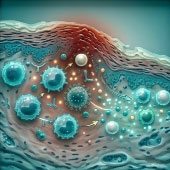
Peptides bind to specific receptors on cells and trigger targeted biological responses. This signaling can influence processes such as:
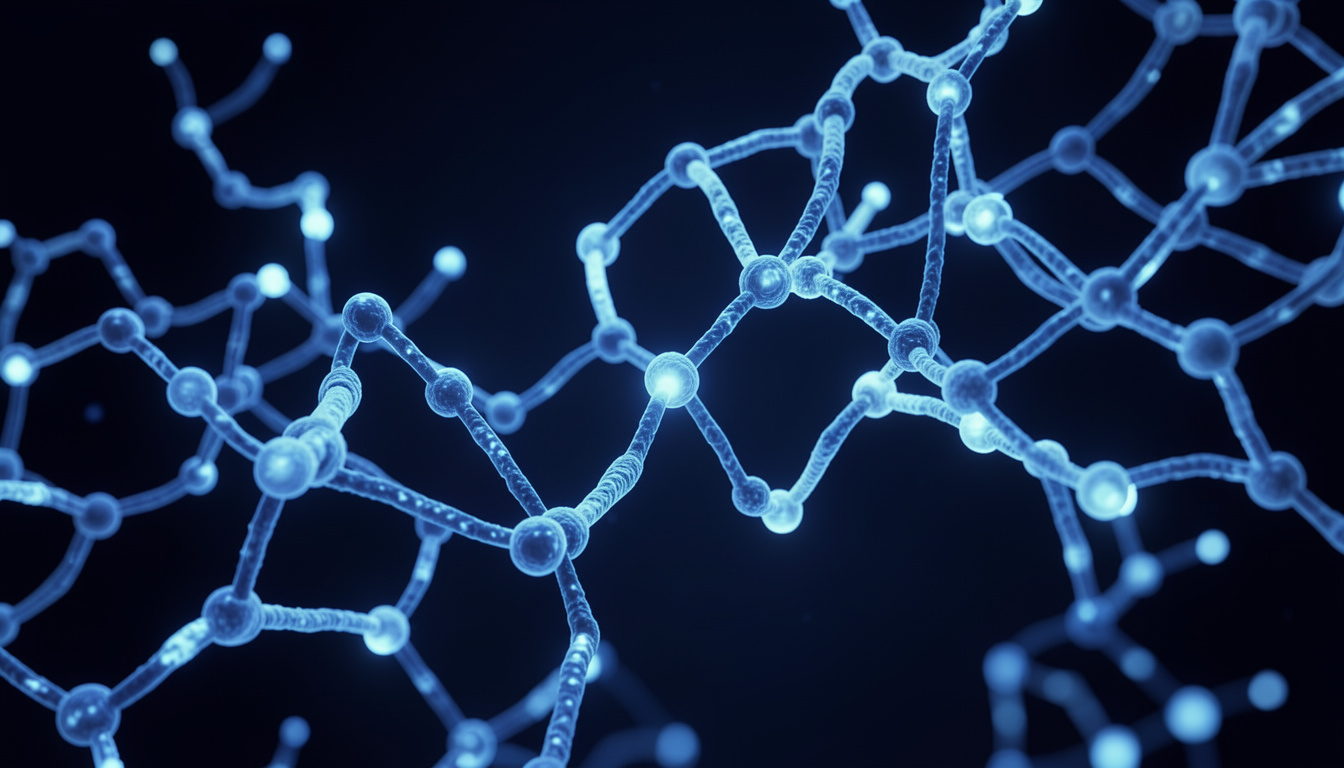
Essentially, peptides help coordinate communication between cells, allowing the body to maintain balance and respond to stress or injury.
Cell Growth and Repair

Tissue Regeneration
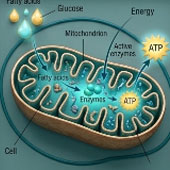
Metabolism and Fat Utilization
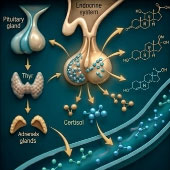
Hormone Production
Inflammation Gontrol

Immune System Regulation
Cell Growth and Repair
Peptides function as signaling molecules that regulate cellular activity, including growth, proliferation, and repair. Certain peptides interact with pathways such as PI3K/Akt and MAPK, which are directly involved in cell division, differentiation, and survival. These processes are essential for maintaining healthy tissue, replacing damaged cells, and supporting overall cellular function.
Tissue Regeneration
Specific peptides play a role in tissue regeneration by promoting cell migration, angiogenesis (the formation of new blood vessels), and extracellular matrix remodeling. These mechanisms help deliver nutrients and oxygen to damaged areas and support the structural rebuilding of tissues. Research shows peptides can accelerate healing processes in muscle, tendon, and other connective tissues.
Metabolism and Fat Utilization
Bioactive peptides influence metabolic function by regulating pathways involved in glucose uptake, lipid metabolism, and energy balance. They can enhance insulin signaling, promote fatty acid oxidation, and support enzymes involved in fat breakdown, contributing to improved metabolic efficiency and energy utilization.
Hormone Production
Many peptides act as hormones or regulate hormone signaling within the body. They influence the release and activity of key hormones involved in growth, appetite, and metabolic regulation, including pathways tied to growth hormone and satiety signals. Through receptor-specific interactions, peptides help coordinate endocrine function and maintain physiological balance.
Inflammation Control
Peptides can modulate inflammatory responses by influencing cytokines and intracellular signaling pathways such as NF-κB, which governs the expression of pro-inflammatory molecules. By reducing excessive inflammatory signaling and oxidative stress, peptides help maintain balance within the immune response and support recovery from cellular stress or injury.
Immune System Regulation
Peptides play a key role in immune defense by acting as antimicrobial agents and immune modulators. Some directly disrupt pathogens, while others enhance immune cell activity and communication, helping regulate both innate and adaptive immune responses. This dual role supports the body’s ability to respond to threats while maintaining immune balance.
Longevity & Healthy Aging
More patients today are focused on aging better, not just living longer. Peptide-based therapies are increasingly explored as part of a broader strategy to support long-term vitality and overall wellness.
Patients often seek support for:
Cellular repair and regeneration
Reduced systemic inflammation
Improved skin quality
Higher energy levels
Better sleep quality
Peptides often play a pivotal role in helping people reach a wide range of physiologic goals. They offer significant impact when dosed correctly.
Contact your doctor to see if adding peptides will be your health and wellness regimen will help you reach your goals
Precision Biology. Maximum You.
Body Composition & Metabolic Support
Interest in peptide therapy is currently driven most strongly by its potential to support healthy body composition and metabolic function.
Many patients seek support in areas such as:
Fat reduction
Appetite regulation
Improved insulin sensitivity
Preservation of lean muscle mass
As injectable metabolic therapies have become more widely accepted, the psychological barrier to starting treatment has significantly decreased. Today, more patients are open to exploring advanced options that support sustainable metabolic health and body composition goals.
Elevate Human Performance at the Cellular Level
Muscle Growth & Physical Performance
Peptide therapy is increasingly popular among athletes, high-performing professionals, and individuals focused on active aging.
Patients often pursue treatment to support:

Increased muscle mass
Enhanced strength and performance

Faster exercise recovery
Reduced muscle breakdown

For many, the goal isn’t bodybuilding—it’s maintaining strength, resilience, and physical capability over time. This approach is often viewed as functional longevity: supporting the body’s ability to perform, recover, and stay active for years to come.
Precision Biology. Maximum You.
Injury Recovery & Tissue Repair
Peptide therapies are gaining significant attention in regenerative and orthopedic-adjacent care for their potential to support the body’s natural healing processes.
Patients commonly seek support for:
Tendon and ligament recovery
Joint health and mobility
Post-surgical healing
Soft tissue repair
The possibility of supporting faster, more efficient recovery is a major reason many patients explore peptide-based therapies, particularly as interest in regenerative approaches to health continues to grow.
Cognitive Performance & Mental Clarity
Interest in peptide therapies for brain health is growing rapidly, particularly among professionals and high performers seeking to maintain mental sharpness.
Patients commonly look for support with
Improved focus and concentration
Memory support
Mood balance
Neuroprotection
As the workforce continues to age and cognitive demands remain high, more individuals are prioritizing strategies that support long-term mental clarity and cognitive resilience.